

A handcrafted garment carries more than fabric and thread. It reflects the skill of artisans, the richness of Indian textile traditions, and the time invested in creating something meaningful.
Whether it is a piece adorned with hand embroidery, an indian handloom kurta, or one of your favourite women's ethnic tops, proper care helps preserve not just the garment but also the heritage craft behind it.
Most handcrafted cotton garments are genuinely easy to care for. A few simple habits — ones you likely already follow with clothes you love — are all it takes to keep them looking good and lasting longer.
Start With the Care Label
Before washing any handcrafted garment, always read the care instructions provided by the maker.
Different fabrics and craft techniques require different approaches. Cotton garments may tolerate gentle hand washing, while heavily embroidered pieces might need professional dry cleaning.
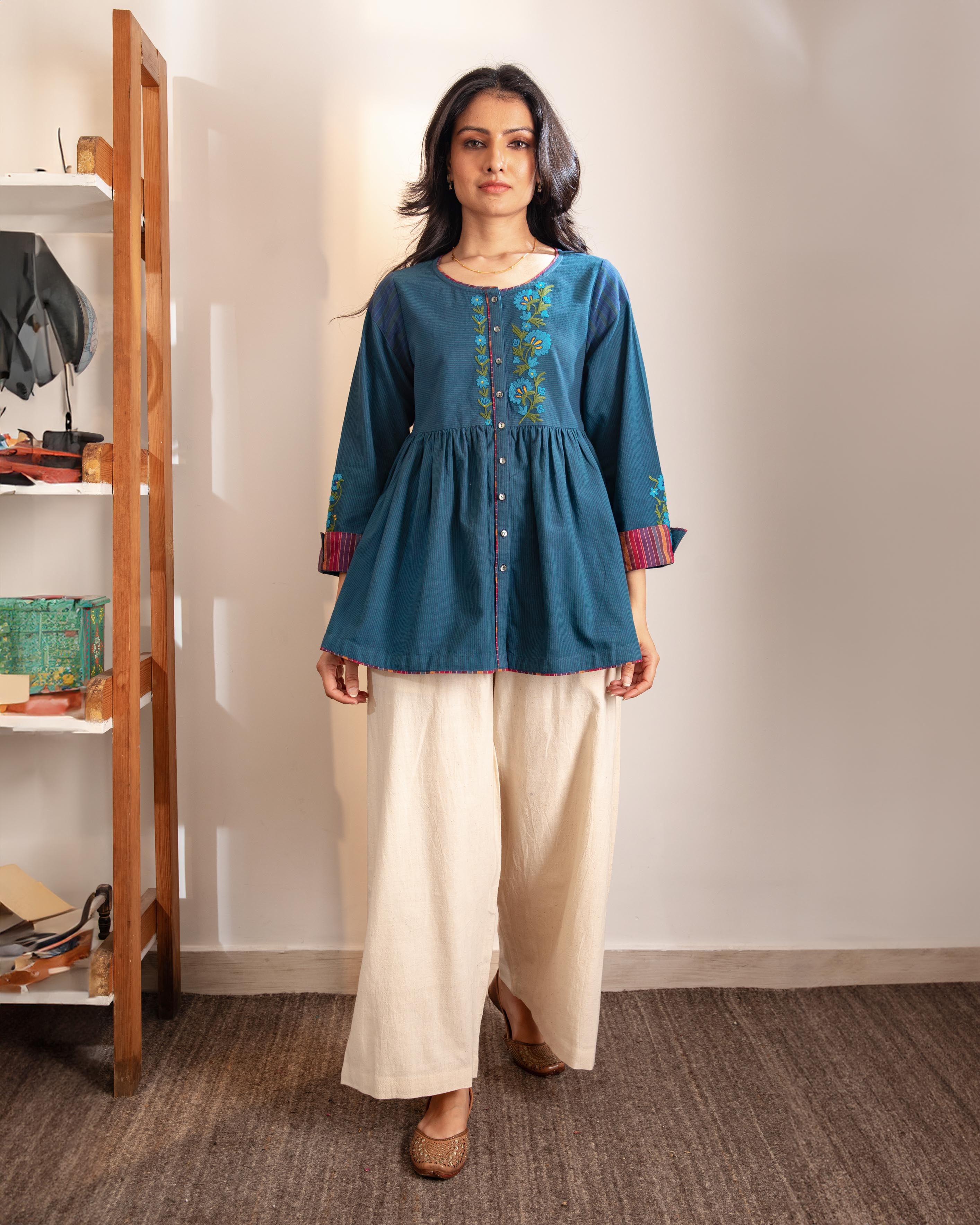
For example, a piece like the Haveli Crewel Blue Flared Top, which features delicate hand-embroidered floral motifs in the Kashmiri crewel tradition, requires a little care. Following the recommended instructions helps maintain the integrity of the embroidery over time.
When in doubt, choose the gentlest option.
Wash Handcrafted Clothing With Gentle Care
One of the most effective ways to extend the life of handcrafted garments is to wash them less frequently and more carefully.
For cotton garments:
- Use cold or lukewarm water.
- Choose a mild detergent.
- Wash gently by hand whenever possible.
- Avoid harsh scrubbing on embroidered areas.
A breathable cotton kurta, for instance, often becomes softer and more comfortable with proper care. Gentle washing helps preserve both the fabric and any decorative detailing.
If machine washing is necessary, place the garment inside a laundry bag and select a delicate cycle.
Protect Hand Embroidery During Cleaning
Hand embroidery requires particular attention.
Excessive rubbing, twisting, or wringing can weaken threads and distort intricate motifs. Instead:
- Turn garments inside out before washing.
- Avoid soaking for long periods.
- Never scrub embroidered sections directly.
- Press out excess water gently rather than wringing.
This is especially important for garments that showcase traditional embroidery techniques. Every embroidered detail represents hours of skilled work, and careful cleaning helps the embroidery stay intact.
Dry Garments the Right Way
Many people focus on washing but overlook drying.
Direct sunlight can fade colours and weaken fibres over time, especially in naturally dyed or handcrafted textiles.
To dry handcrafted garments:
- Avoid prolonged exposure to harsh sunlight.
- Ensure proper airflow during drying.
Hanging them in the shade or draping them over a rack works well for most cotton pieces.
Store Thoughtfully
Good storage habits can make a significant difference.
The main thing to avoid is overcrowding. When garments are packed too tightly, embroidery can snag, and fabric can lose its shape. Give your favourite pieces a little room, and keep them away from damp environments.
Seasonal rotation can also help. Giving garments periods of rest between wears reduces strain on fibres and embroidery.
Many artisan-made pieces are designed to be enjoyed for years, and thoughtful storage supports that longevity.
Iron With Attention to Detail
Heat can affect delicate embroidery, appliqué work, and decorative embellishments.
Before ironing:
- Turn garments inside out.
- Use a low to medium heat setting.
- Place a thin cotton cloth between the iron and embroidered areas.
- Avoid direct heat on threadwork whenever possible.
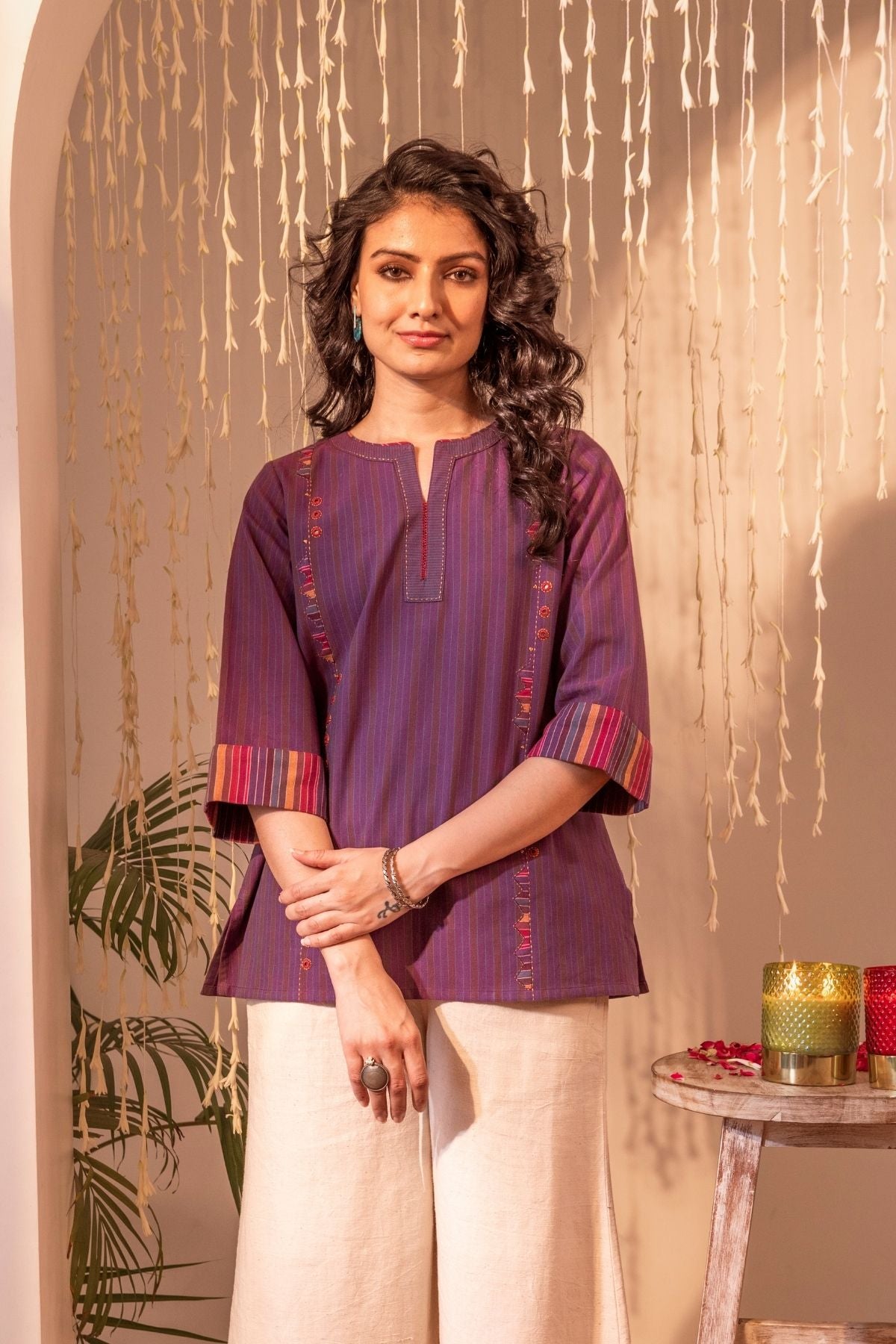
For pieces like the Haveli Appliqué Purple Hand Embroidered Top, careful ironing helps protect both the appliqué work and the embroidered detailing while keeping the garment looking polished.
Repair Instead of Replace
One of the most meaningful aspects of conscious clothing is extending the life of the things we already own.
A loose thread or small tear does not necessarily mean a garment has reached the end of its life. Minor repairs can often restore functionality while preserving the beauty of the original craftsmanship.
Across many artisan communities, repairing and mending textiles has long been part of everyday life. Embracing this mindset allows us to build a more thoughtful relationship with our clothing.
A repaired garment often carries even more character and history than before.
Caring for Craft Means Caring for Culture
The textiles of India represent centuries of knowledge, creativity, and skill. Every embroidered motif, woven texture, and handcrafted detail reflects traditions that continue to thrive through the work of artisans across the country.
When we care for handcrafted garments properly, we help ensure that these pieces remain part of our lives for longer. More importantly, we honour the effort, expertise, and heritage craft traditions that brought them into existence.
Whether it is an indian handloom kurta, a collection of women's ethnic tops, or a cherished garment featuring hand embroidery, thoughtful care allows these pieces to continue telling their stories for years to come.
Conclusion
Cotton handcrafted garments are made to be worn and lived in. A gentle wash, a little shade while drying, and some room in your wardrobe is really all they ask for — and in return, they keep getting better with time
Because caring for handmade clothing is not simply about maintenance—it is about valuing the stories, skills, and traditions that make each piece unique.
FAQs
1. How should I wash garments with hand embroidery?
Hand-embroidered garments should ideally be hand-washed with mild detergent in cold water unless the care label recommends dry cleaning.
2. Can I machine wash an indian handloom kurta?
Some handloom kurtas can be machine-washed on a delicate cycle, but always check the care instructions first and use a laundry bag for added protection.
3. How do I prevent embroidered garments from fading?
Dry garments in the shade, avoid harsh detergents, and limit prolonged exposure to direct sunlight.
4. What is the best way to store women's ethnic tops with embroidery?
The main thing is to avoid overcrowding your wardrobe. Give embroidered pieces enough room so the threadwork doesn't snag, and keep them away from damp spots. Cotton ethnic tops need no fuss beyond that
5. Why is proper care important for heritage craft garments?
Proper care helps preserve traditional craftsmanship, extends the life of the garment, and honours the artisan skills involved in creating it.