

Every handcrafted garment carries two stories.
The first is visible — the colour, silhouette, embroidery, and fabric that catch your eye. The second is harder to see. It lives in the hands that shaped the piece, the traditions passed down through generations, and the heritage craft techniques that continue to thrive in artisan communities across India.
In a world of fast-moving trends, handmade clothing offers something different: a connection to the textiles of India and the people who keep these traditions alive.
From hand embroidery and tie-dye techniques to handwoven fabrics, these heritage crafts are not simply methods of production. They are living traditions that continue to evolve while remaining rooted in culture, skill, and community.
Why Hand Embroidery Remains One of India's Most Treasured Crafts
India's textile history stretches back thousands of years. Across different regions, communities developed distinctive embroidery traditions that reflected local culture, geography, and creative expression.
Unlike machine-made embellishments, hand embroidery is built stitch by stitch. Every motif, mirror detail, and decorative element is created through careful craftsmanship and experience.
This human touch creates something that machines cannot replicate completely: subtle variations that make every piece unique.
For generations, embroidery has served many purposes. It has celebrated milestones, expressed cultural identity, and transformed everyday garments into pieces worth preserving. Today, it continues to bridge tradition and contemporary fashion.
When you choose Rangsutra's handcrafted clothing, you are not simply selecting a garment — you are supporting a skill that has survived through knowledge, patience, and practice.
The Rich Legacy of the Textiles of India
The textiles of India are admired worldwide for their diversity. Every region contributes a unique chapter to the country's textile story.
From handloom weaving traditions to block printing, natural dyeing, Bandhej tie-dye, and intricate embroidery, these crafts reflect centuries of innovation and cultural expression.
What makes Indian textiles remarkable is their ability to adapt. Traditional techniques continue to find new relevance in contemporary silhouettes, allowing heritage crafts to remain a meaningful part of modern wardrobes.
This balance between tradition and everyday wear is where artisan-led brands play an important role. They help ensure that heritage techniques remain visible, valued, and economically sustainable for the communities that practise them.
From Craft Tradition to Contemporary Style
Today's consumers want clothing that feels authentic, real, and meaningful.
Handcrafted fashion answers all three needs.
A hand-embroidered garment offers visual depth that machine-made pieces often lack. Handwoven fabrics bring texture and character. Traditional techniques add individuality while remaining easy to wear across different occasions and lifestyles.
Rather than existing only for special occasions, these pieces are increasingly becoming part of everyday dressing.
A Modern Take on Cotton Dresses for Women
Cotton remains one of the most loved fabrics in Indian wardrobes.
Breathable, gentle on skin, and easy to wear through long days, it provides the perfect foundation for traditional craft techniques.
The Suhani Pink Kimono-Sleeve Cotton Dress with Bandhej Hand Embroidery is a good example of this relationship between fabric and craft. Crafted from soft, breathable cotton, the dress features a relaxed silhouette with delicate side-panel gathers, kimono sleeves, and a round neckline. The Bandhej tie-dye and mirror work give it its character, while contrast piping details and pockets on both sides round off the design.
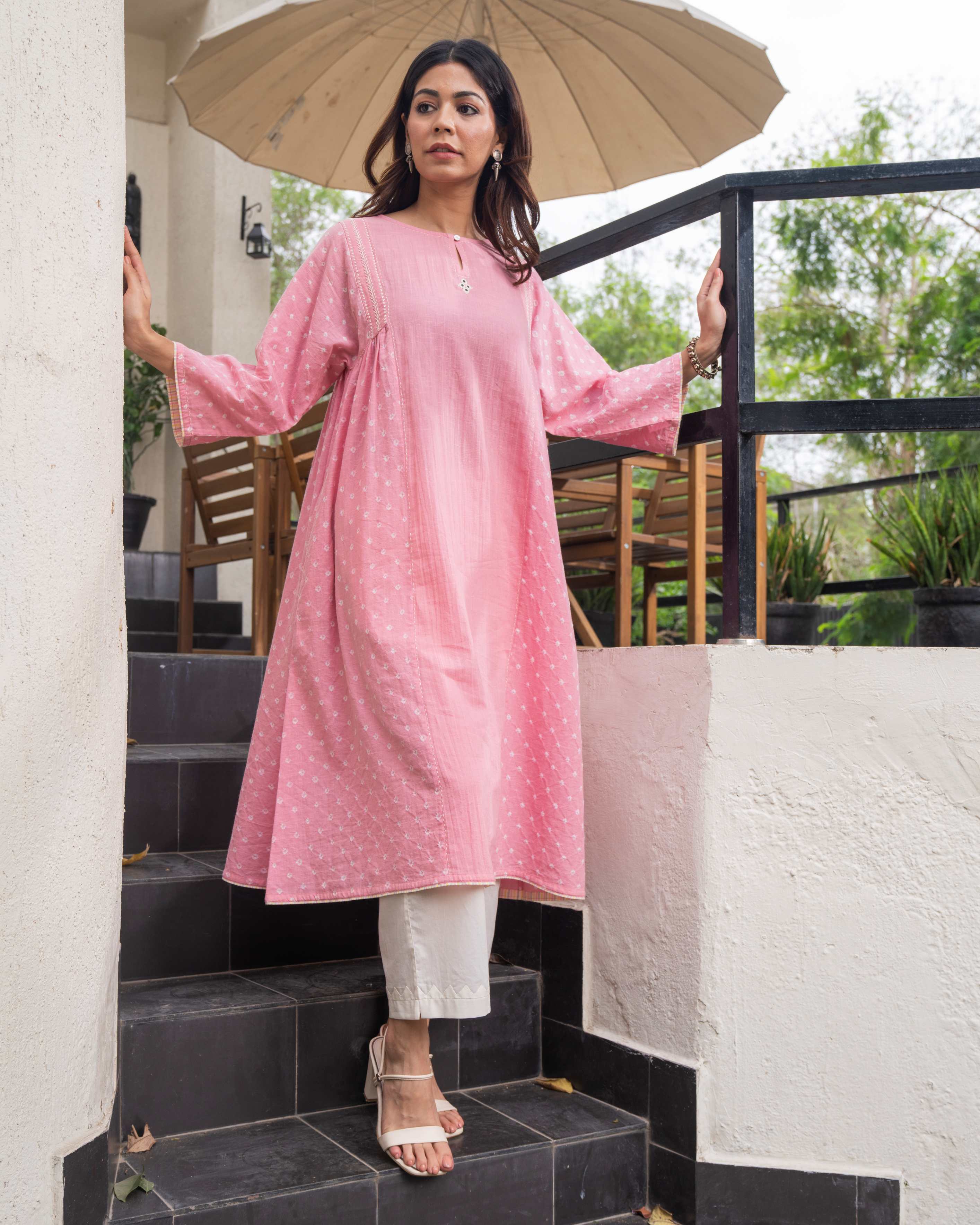
Bandhej, also known as Bandhani, is one of India's most recognised resist-dyeing traditions. The technique involves carefully tying sections of fabric before dyeing to create intricate patterns, a process that demands patience and precision. Generations of artisans have preserved this craft across western India, making it an enduring symbol of textile heritage.
Why a Handwoven Kurta Never Goes Out of Style
Certain garments earn their place in a wardrobe and stay there.
The handwoven kurta is one such piece.
Its appeal lies in its simplicity and the ease with which it moves between workdays, festive gatherings, casual outings, and family celebrations.
The Paheli Green Straight-Fit Cotton Kurta with Pakka Hand Embroidery reflects this timeless quality. Crafted in breathable cotton, the kurta features Pakka embroidery, mirror detailing around the placket and sleeves. Its straight silhouette makes it easy to style across different occasions while allowing the craftsmanship to remain the focal point.
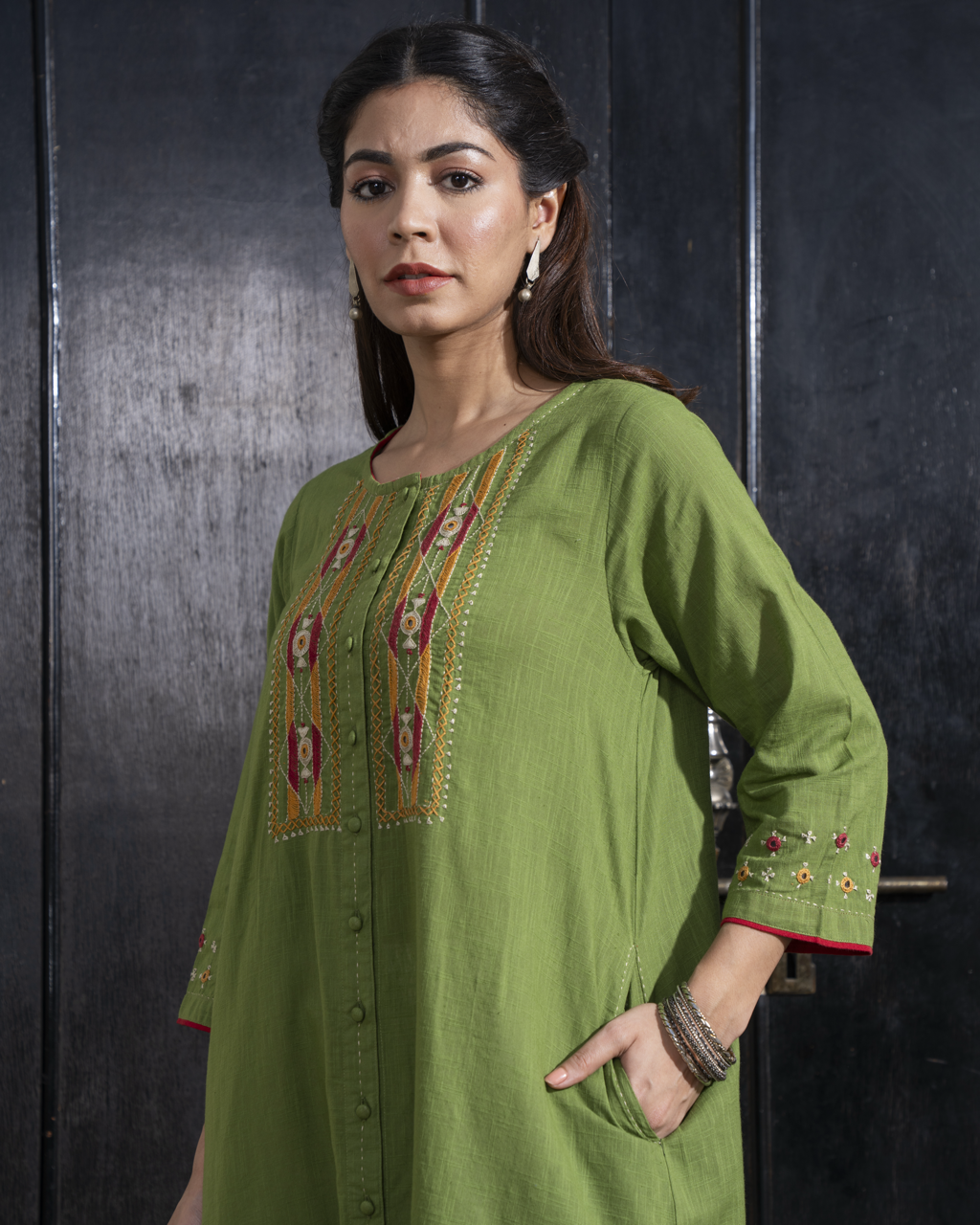
What makes garments like these worth returning to is their ability to honour traditional embroidery techniques while meeting the demands of contemporary dressing.
Women's Ethnic Tops That Celebrate Craftsmanship
Not every handcrafted piece needs to be elaborate.
Sometimes, simplicity allows the craft to speak for itself.
Women's ethnic tops made using handwoven fabrics bring texture, depth, and individuality to everyday outfits. They pair easily with trousers, skirts, jeans, denims, and traditional bottoms while offering a distinctly handcrafted feel.
The Dhwani Red Sleeveless Handwoven Cotton Top is an example of how handwoven textiles can elevate a simple silhouette. The focus remains on the character of the fabric itself—a reminder that craftsmanship can often be found in the weave as much as the embroidery.
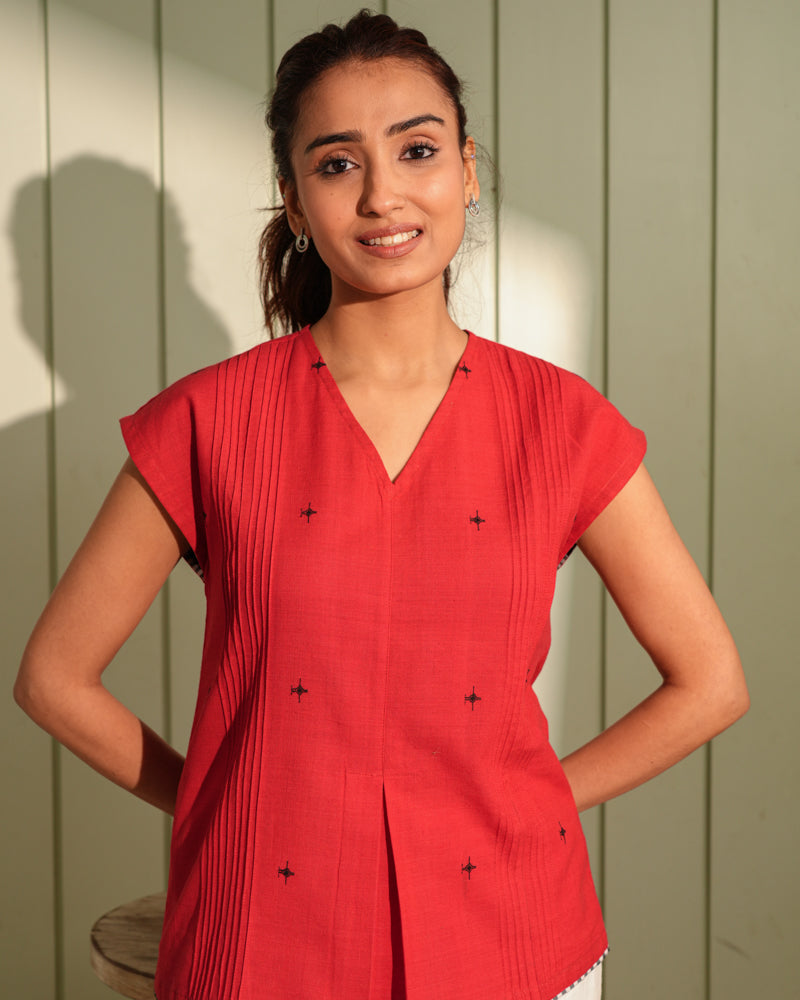
These pieces encourage a more thoughtful approach to dressing, where quality, comfort, and craftsmanship take precedence over fleeting trends.
Why Handmade Fashion Matters Today
Supporting handcrafted clothing extends beyond personal style.
It contributes to preserving traditional skills, creating sustainable livelihoods, and ensuring that artisan communities remain active participants in the fashion ecosystem.
Every handcrafted garment represents:
- Skilled artisan labour
- Preservation of traditional knowledge
- Cultural continuity
- Thoughtful production practices
- A deeper connection between maker and wearer
In many ways, handmade clothing reminds us that fashion can be both beautiful and meaningful.
Bringing Heritage Craft Into Everyday Life
Heritage craft is not something that belongs only in museums or festive wardrobes.
It belongs in everyday life.
A cotton dress worn on a summer afternoon. A handwoven kurta chosen for work. A handcrafted top styled for a weekend gathering.
These everyday choices help keep traditional skills visible and valued.
When craftsmanship becomes part of daily life, it remains relevant for future generations. And when consumers choose thoughtfully made products, they help ensure that India's rich textile traditions continue to evolve rather than disappear.
The story behind hand embroidery is ultimately a story about people, skill, and continuity.
It begins in artisan communities, travels through generations of knowledge, and finds its place in wardrobes that value authenticity over excess.
And perhaps that is what makes Rangsutra’s handmade clothing truly special—not simply how it looks, but everything it carries.
Frequently Asked Questions
1. What makes hand embroidery different from machine embroidery?
Hand embroidery is created manually by skilled artisans using traditional techniques. Every stitch is made by hand, resulting in subtle variations and a unique character that machine embroidery cannot fully replicate.
2. Why are cotton dresses for women ideal for everyday wear?
Cotton is breathable, lightweight, and gentle on your skin and overall health. It keeps you comfortable across different climates, allows for freedom of movement, and works beautifully as a base for traditional craft techniques such as embroidery and tie-dye.
3. What is Bandhej or Bandhani?
Bandhej, also known as Bandhani, is a traditional Indian tie-dye technique where sections of fabric are tightly tied before dyeing to create intricate patterns and motifs.
4. What is a handwoven kurta?
A handwoven kurta is made using fabric woven on handlooms rather than industrial machines. This is a time-consuming production process that requires considerable skill and patience, and it results in distinctive textures that reflect the craft traditions of the weaving community behind it.
5. Why are the textiles of India considered unique?
The textiles of India combine diverse regional traditions, including weaving, embroidery, printing, dyeing, and embellishment techniques that have evolved over centuries and continue to influence contemporary fashion.