

Fashion trends may change every season, but the foundation of Indian fashion has remained remarkably constant for centuries—its craftspeople. From intricate hand embroidery to finely handwoven fabrics and region-specific techniques, India's rich legacy of Indian textiles continues to inspire designers across the world. Yet, the future of this legacy depends not only on preserving these traditions but also on ensuring the artisans behind them continue to thrive.
At Rangsutra, this belief shapes every collection. As an artisan-led enterprise, we collaborate with skilled women artisans across rural India, creating contemporary clothing rooted in heritage craft while upholding ethical production, fair wages, safe centre-based workplaces, and quality craftsmanship. The result is clothing that honours tradition without remaining confined to it.
Why Rural Artisans Are Shaping the Future of Fashion
India's craft traditions have always evolved alongside its people. Techniques such as Bandhej, Sindhi embroidery, appliqué, Pakka embroidery, weaving, and countless regional textile arts have survived because artisans have adapted them to changing lifestyles while preserving their authenticity.
Today's conscious consumers are increasingly looking beyond fast fashion. They seek garments that carry meaning, celebrate Indian textiles, and reflect the hands that made them. This growing appreciation makes artisan-led fashion more relevant than ever—not as nostalgia, but as a blueprint for a more thoughtful future.
When traditional craftsmanship meets contemporary silhouettes, heritage becomes something you can wear every day.
Craft That Lives Beyond Occasions
One of the biggest shifts in Indian fashion is how traditional techniques are moving into everyday wardrobes.
The Dhwani White Cotton Top with Appliqué beautifully demonstrates this evolution. Crafted in breathable cotton and detailed with handcrafted appliqué work, it offers a modern interpretation of artisanal design. It pairs effortlessly with trousers, skirts, or handloom bottoms, making it one of those versatile women's ethnic tops that transitions seamlessly between work, travel, and relaxed weekends.
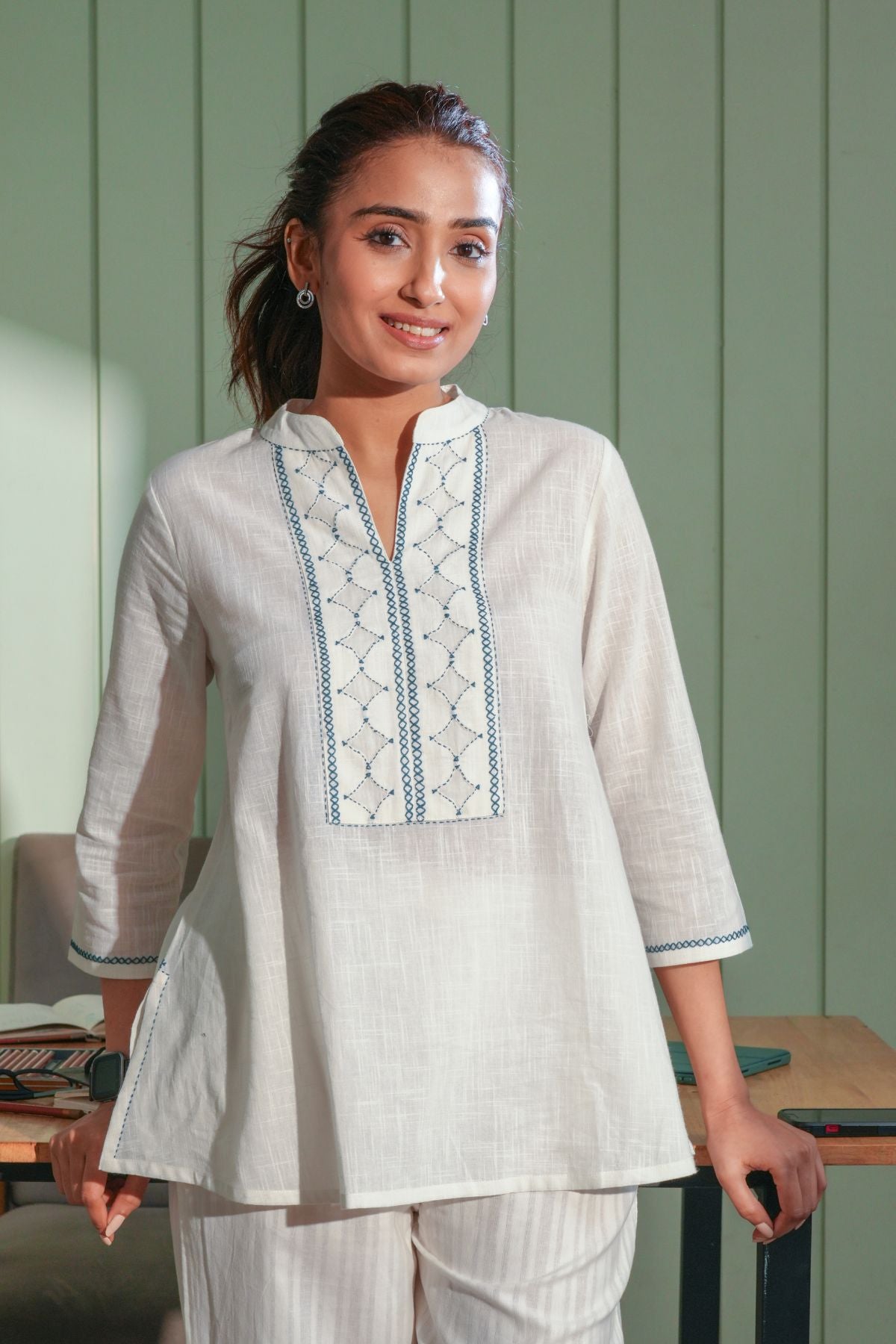
Rather than reserving handcrafted clothing for celebrations alone, garments like these encourage craft to become part of daily life.
Every Stitch Carries Generations of Skill
Behind every handcrafted garment lies years of practice, observation, and inherited knowledge. Unlike mass-produced fashion, artisan-made clothing reflects individual skill, patience, and regional identity.
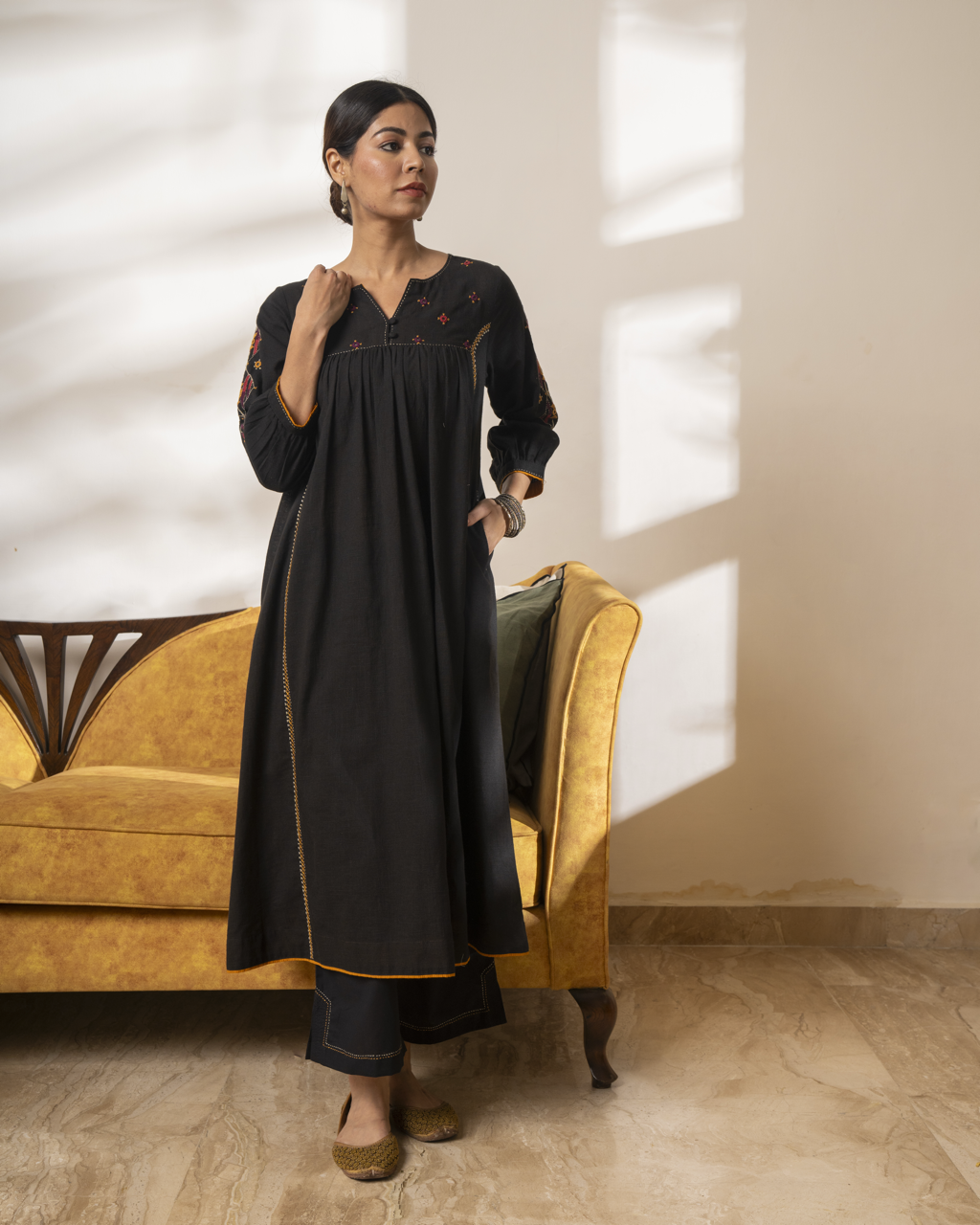
The Paheli Black Front Gather Cotton Kurta with Pakka Hand Embroidery celebrates this philosophy through detailed hand embroidery that adds character without overpowering the garment. The graceful gathered silhouette complements the embroidery, creating an elegant Indian handloom kurta that feels equally appropriate for everyday wear and festive moments.
Similarly, the Dhwani Blue Kalidaar Cotton Kurta with Dessert Hand Embroidery combines flowing panels with delicate handcrafted embroidery inspired by regional techniques. Crafted from breathable cotton, it reflects how traditional artistry can feel remarkably contemporary while offering the comfort expected from a thoughtfully made handwoven cotton kurta.
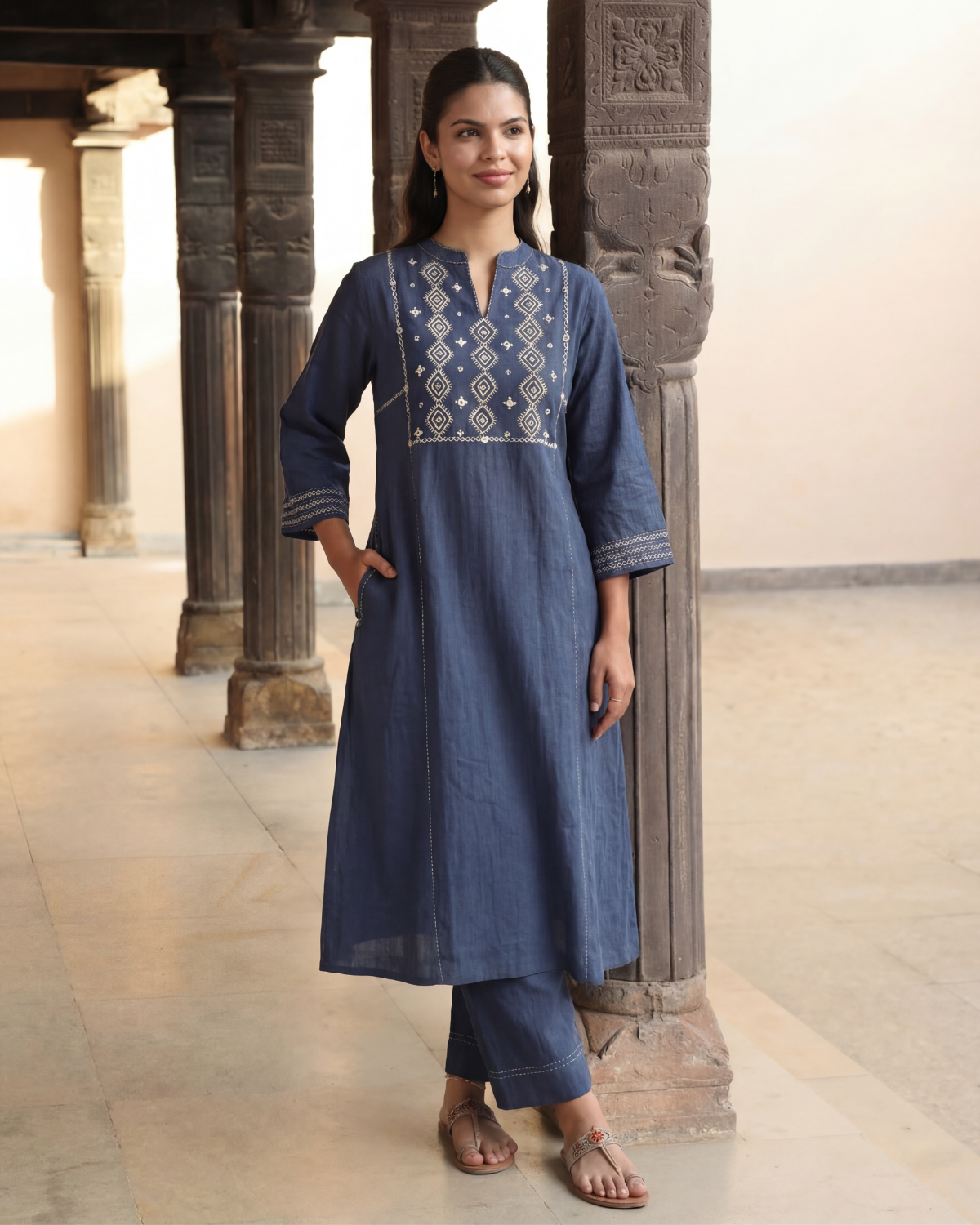
These garments are reminders that craftsmanship is not simply decoration—it's a living expression of cultural knowledge.
Heritage Finds New Expression
Indian craft has never been static. Across generations, artisans have experimented with colours, motifs, and silhouettes while remaining rooted in their regional traditions.
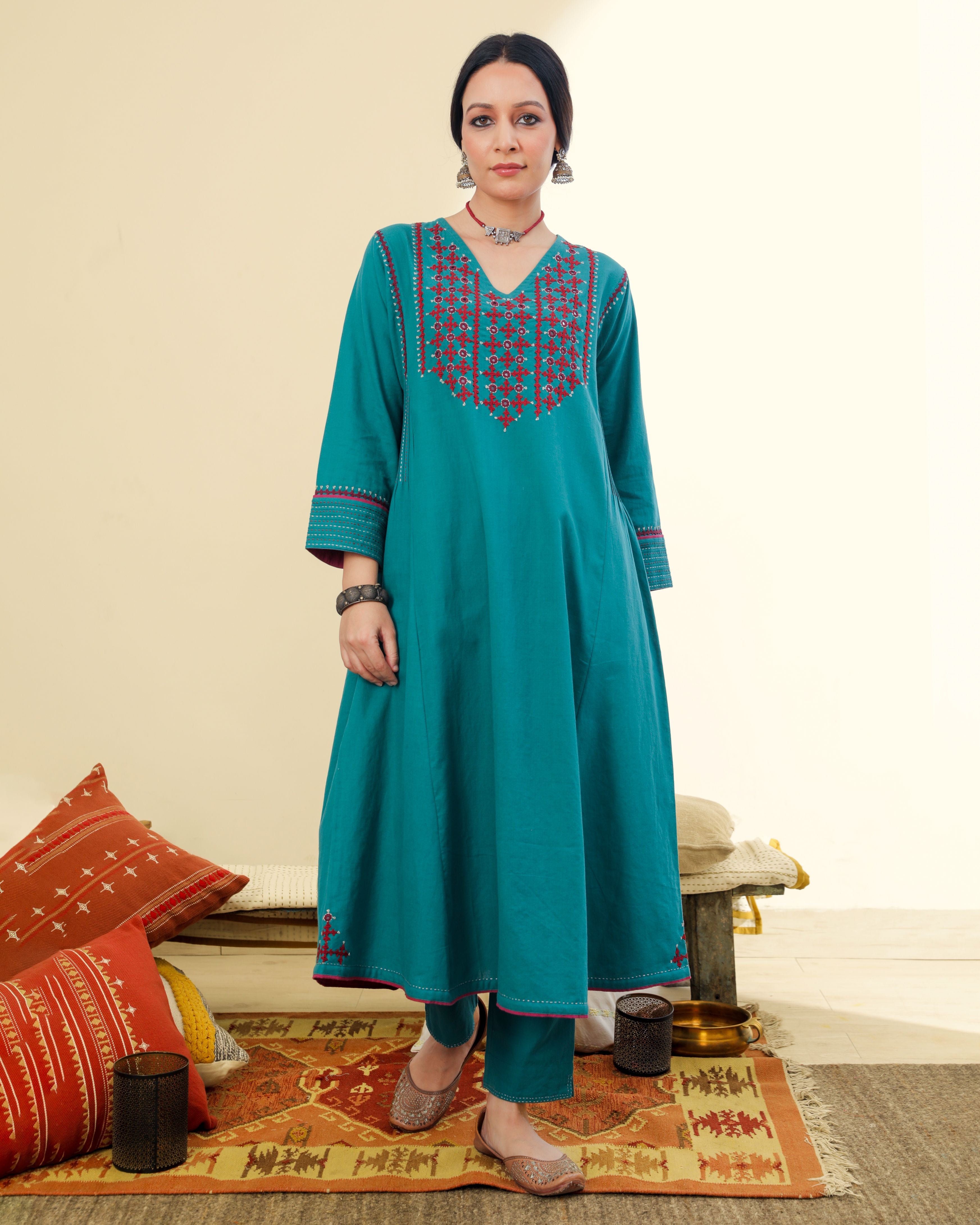
The Ruhani Teal Pintuck Cotton Kurta with Sindhi Hand Embroidery brings together fine pintuck detailing with the intricate beauty of Sindhi embroidery. The result is understated yet distinctive, allowing the craft to remain the focal point while adapting naturally to modern wardrobes.
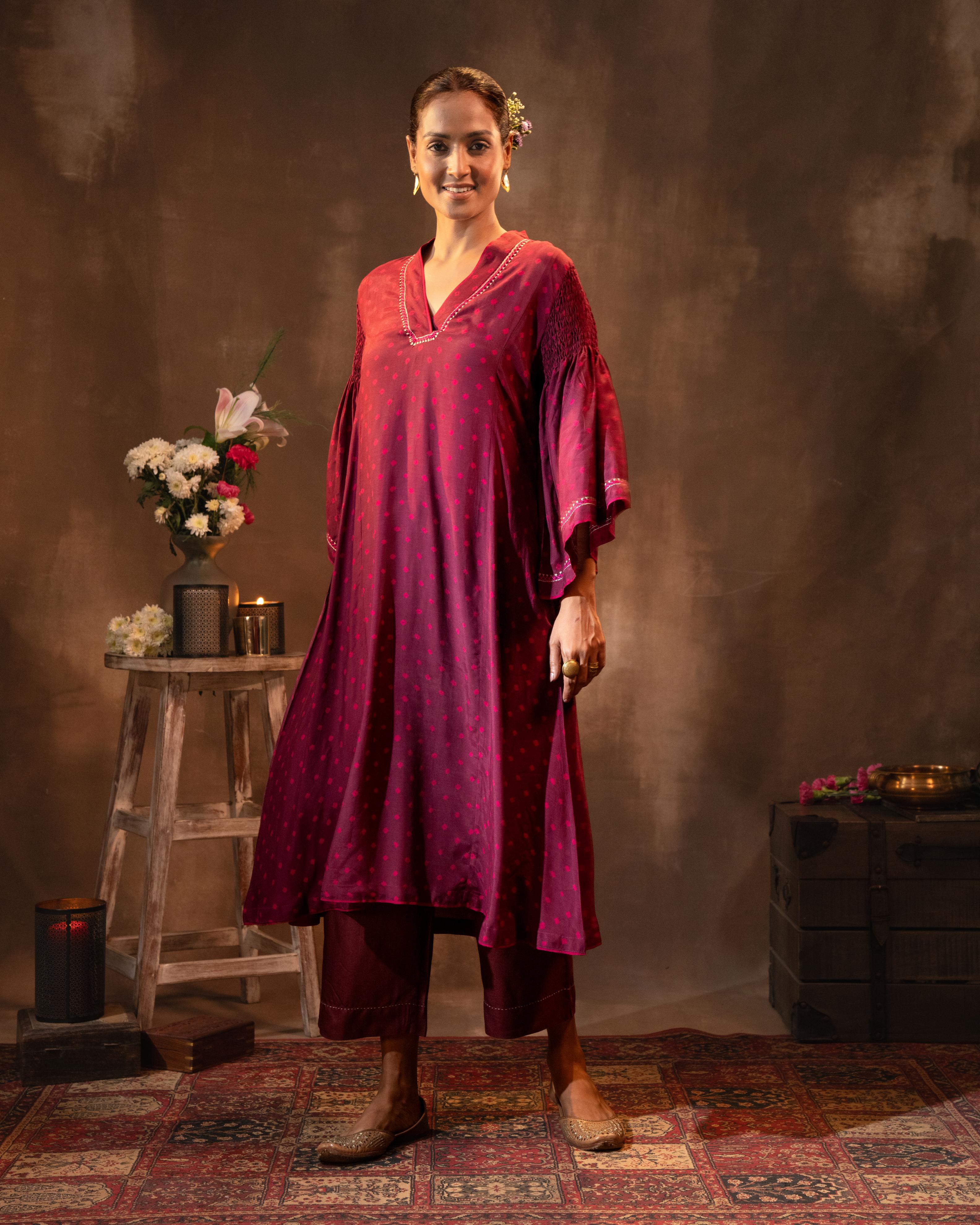
For festive occasions, the Ruhani Wine Flared Sleeves Silk Kurta with Bandhej reflects another enduring tradition. Bandhej, one of India's oldest resist-dyeing techniques, continues to be admired for its intricate patterns and cultural significance. Reimagined through a contemporary silhouette and fluid sleeves, the kurta demonstrates how heritage can evolve without losing its identity.
These interpretations ensure that traditional techniques remain relevant to new generations rather than existing only in museums or ceremonial attire.
Responsible Fashion Begins With Responsible Making
The future of Indian fashion is not determined only by design—it is shaped by the systems that support its makers.
At Rangsutra, production takes place through professionally managed craft centres rather than informal home-based manufacturing. This approach helps maintain consistent quality while ensuring safe working conditions, ethical production standards, fair wages, statutory benefits such as PF and ESI, and complete compliance with a strict no child labour policy.
Equally important, this model recognises artisans as skilled professionals whose expertise is central to every collection. Their craftsmanship is not an embellishment added at the end of the design process—it is where every garment begins.
This artisan-led approach strengthens both the future of rural livelihoods and the future of Indian fashion itself.
Wearing Heritage, Shaping Tomorrow
Choosing handcrafted clothing is ultimately about more than adding another garment to your wardrobe. It is about supporting a future where craftsmanship continues to flourish alongside innovation.
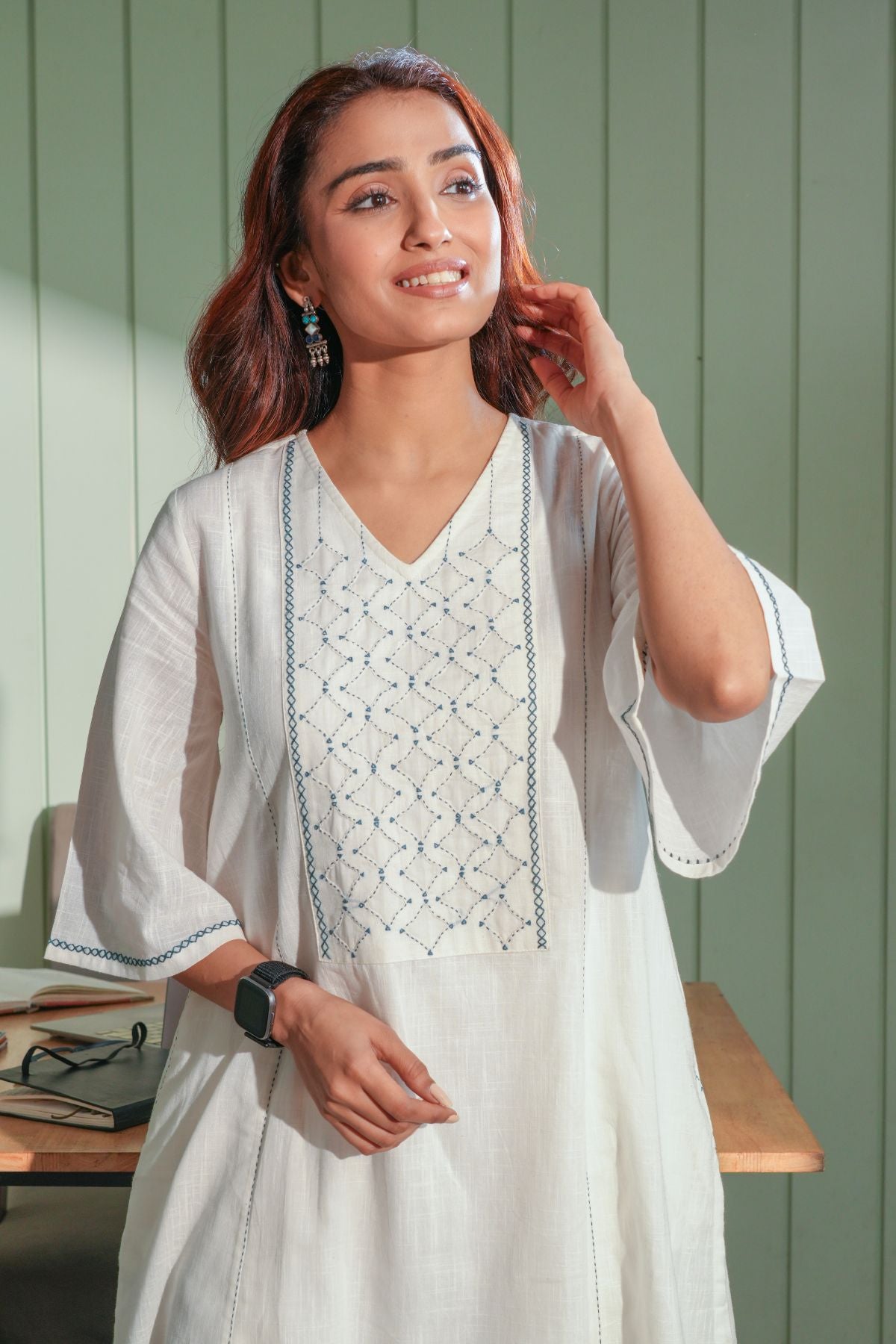
The Dhwani White Flared Cotton Kurta with Appliqué captures this balance beautifully. Its clean silhouette, handcrafted appliqué work, and breathable cotton fabric make it a versatile wardrobe essential while celebrating the artistry behind every stitch.
As Indian fashion continues to evolve, its greatest strength will remain the communities that have nurtured its craft traditions for generations. By bringing heritage craft, hand embroidery, handwoven fabrics, and regional artistry into contemporary wardrobes, brands like Rangsutra demonstrate that the future of fashion does not lie in replacing tradition—it lies in creating space for it to grow.
Because while trends may come and go, the hands preserving India's textile heritage continue to shape what fashion can become.
Frequently Asked Questions
Q. Why are rural artisans important to the future of Indian fashion?
Rural artisans preserve traditional techniques such as weaving, embroidery, dyeing, and printing while continuously adapting them for contemporary lifestyles. Their knowledge keeps India's craft heritage alive and relevant for future generations.
Q. What makes handcrafted clothing different from mass-produced fashion?
Handcrafted garments reflect the skill of individual artisans, showcasing techniques like hand embroidery, appliqué, and regional textile traditions that cannot be replicated through automated manufacturing.
Q. How does Rangsutra support artisan communities?
RangSutra is an artisan-led enterprise where skilled women artisans play a central role in creating every collection. Production takes place in professionally managed craft centres that ensure ethical production, quality, safe working conditions, fair wages, statutory benefits, and compliance while preserving regional craft traditions.
Q. Why is heritage craft still relevant in modern fashion?
Heritage craft connects centuries-old textile traditions with contemporary design. By incorporating regional techniques into modern silhouettes, handcrafted clothing remains versatile, meaningful, and suitable for everyday wardrobes while preserving India's rich textile legacy.


