

Few garments have adapted to changing lifestyles as effortlessly as the kurta. Worn across generations, regions, and occasions, the kurta has remained a constant in Indian wardrobes while continuing to evolve with contemporary fashion.
Today, kurtas are no longer limited to festive occasions or traditional settings. They have become versatile staples that fit seamlessly into modern ethnics—whether worn to work, while travelling, during family gatherings, or as part of everyday dressing. What makes them particularly relevant today is their ability to combine comfort, craftsmanship, and cultural heritage in a single garment.
At a time when many consumers are seeking fashion that matters, Rangsutra’s contemporary kurtas offer a meaningful balance between tradition and practicality.
The Kurta's Enduring Place in Indian Fashion
The story of the kurta is deeply connected to the textiles of India. For centuries, artisans across different regions have used local weaving, dyeing, and embroidery techniques to create garments that reflected both functionality and cultural identity.
While silhouettes and styling preferences have evolved, the essence of the kurta has remained remarkably consistent: ease of movement, comfort, and versatility.
Modern consumers continue to gravitate towards kurtas because they work across multiple contexts. A well-crafted kurta can be styled formally, casually, or even as part of an Indo-Western kurta look with contemporary accessories and separates.
This adaptability is one reason the kurta remains relevant despite changing fashion trends.
Why Contemporary Kurtas Feel More Relevant Than Ever
Today's wardrobes are increasingly centred around versatility.
Many people prefer clothing that can transition between different occasions without requiring significant effort or styling. Contemporary kurtas fulfil this need naturally.
A thoughtfully designed kurta can:
-
Work in professional settings
-
Adapt to social gatherings
-
Provide comfort during travel
-
Support year-round wear
Unlike occasion-specific clothing, kurtas offer flexibility without sacrificing style.
The growing popularity of women's kurtas online reflects this shift. Consumers are looking for garments that are practical, comfortable, and rooted in authentic craftsmanship rather than fleeting trends.
Craftsmanship Makes the Difference
One of the most compelling aspects of contemporary kurtas is the craftsmanship behind them.
Across India, artisan communities continue to preserve traditional embroidery techniques that have been passed down through generations. These skills represent a living cultural heritage and contribute to the uniqueness of each garment.
Hand embroidery, in particular, transforms a simple silhouette into something far more meaningful. Every stitch reflects skill, patience, and years of practice.
When incorporated thoughtfully, embroidery adds character without overwhelming the garment. This balance is what allows handcrafted kurtas to feel timeless rather than trend-driven.
For many artisans, embroidery is more than a technique—it is a livelihood, a family tradition, and a way of preserving cultural knowledge for future generations.
Exploring Regional Embroidery Traditions
The richness of India's textiles lies in their diversity.
Every region contributes distinctive craft traditions that continue to influence contemporary fashion.
For example, Sindhi embroidery is known for its geometric motifs, vibrant detailing, and intricate needlework. The Ruhani Teal Pintuck Cotton Kurta with Sindhi Hand Embroidery reflects how traditional craftsmanship can be adapted into a modern silhouette while retaining its cultural roots.
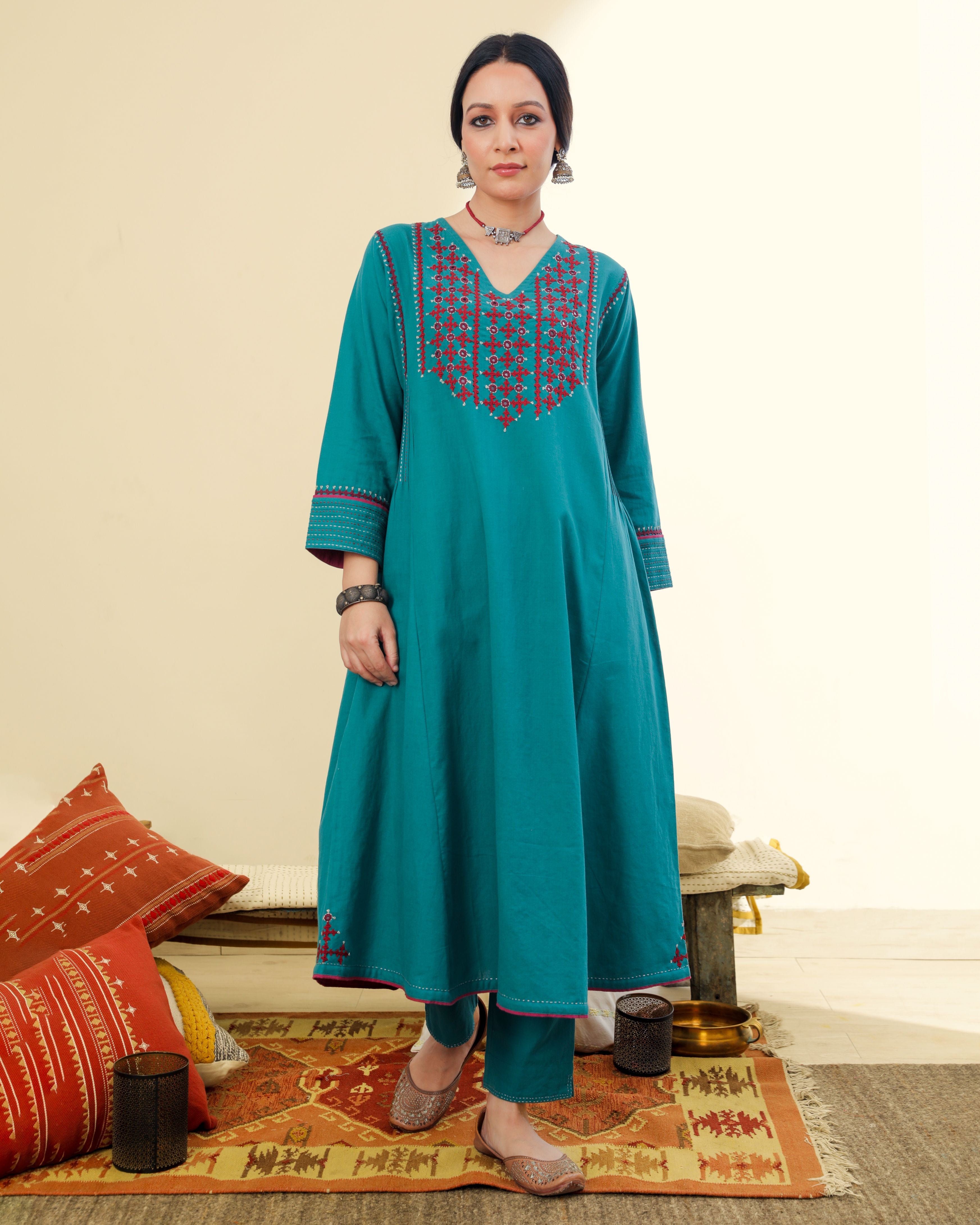
By incorporating regional embroidery into contemporary designs, artisans help keep these traditions visible and relevant for modern consumers.
Comfort Remains Essential
While craftsmanship is important, comfort remains one of the primary reasons people continue to choose kurtas.
Natural fabrics such as cotton make kurtas particularly suitable for Indian climates. A well-designed summer cotton kurta offers breathability, ease of movement, and versatility throughout the day.
The Paheli Mustard Front Yoke Cotton Kurta with Pakka Hand Embroidery demonstrates how traditional craft can coexist with practical design. Its breathable cotton construction makes it suitable for everyday wear, while the embroidery adds a handcrafted dimension that elevates the garment.
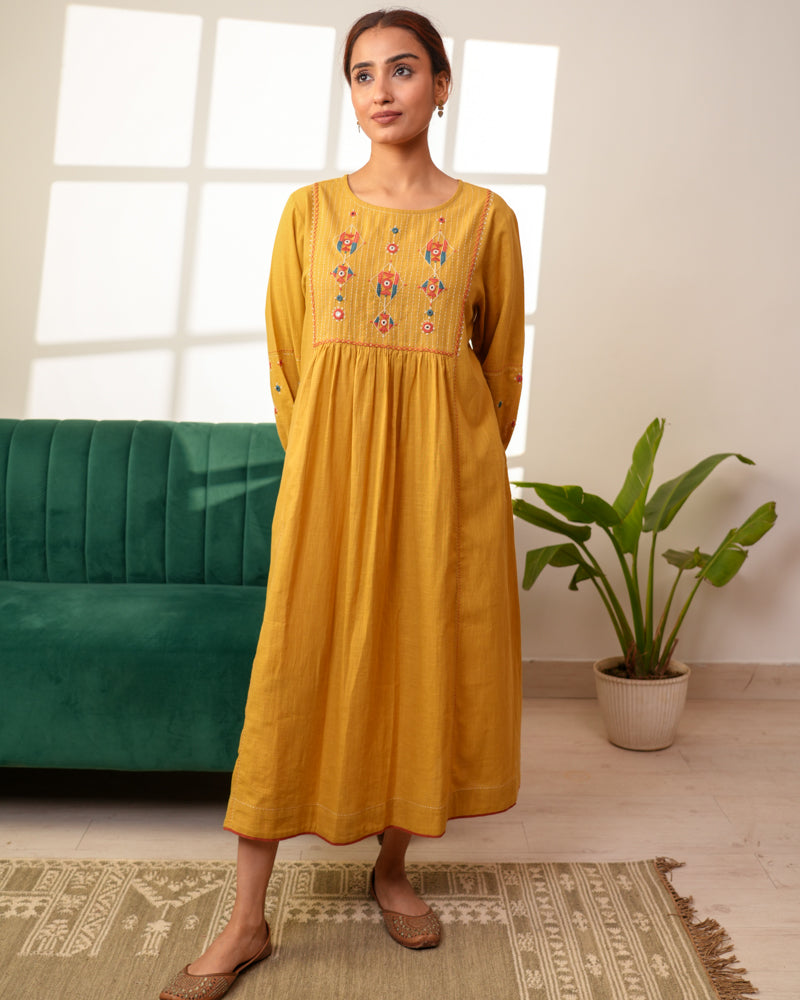
This combination of comfort and craftsmanship is what allows kurtas to remain wardrobe essentials year after year.
Contemporary Styling Without Losing Cultural Roots
One reason younger consumers continue to embrace kurtas is their styling flexibility.
A contemporary kurta can be paired with:
-
Straight pants
-
Denim
-
Skirts
-
Palazzo trousers
-
Layered jackets
This adaptability has contributed to the rise of the Indo-Western kurta as a popular category.
The Dhwani Red A-Line Cotton Kurta with Dessert Hand Embroidery illustrates this versatility. Its clean silhouette allows it to be styled traditionally or paired with more contemporary separates, making it suitable for a variety of settings.
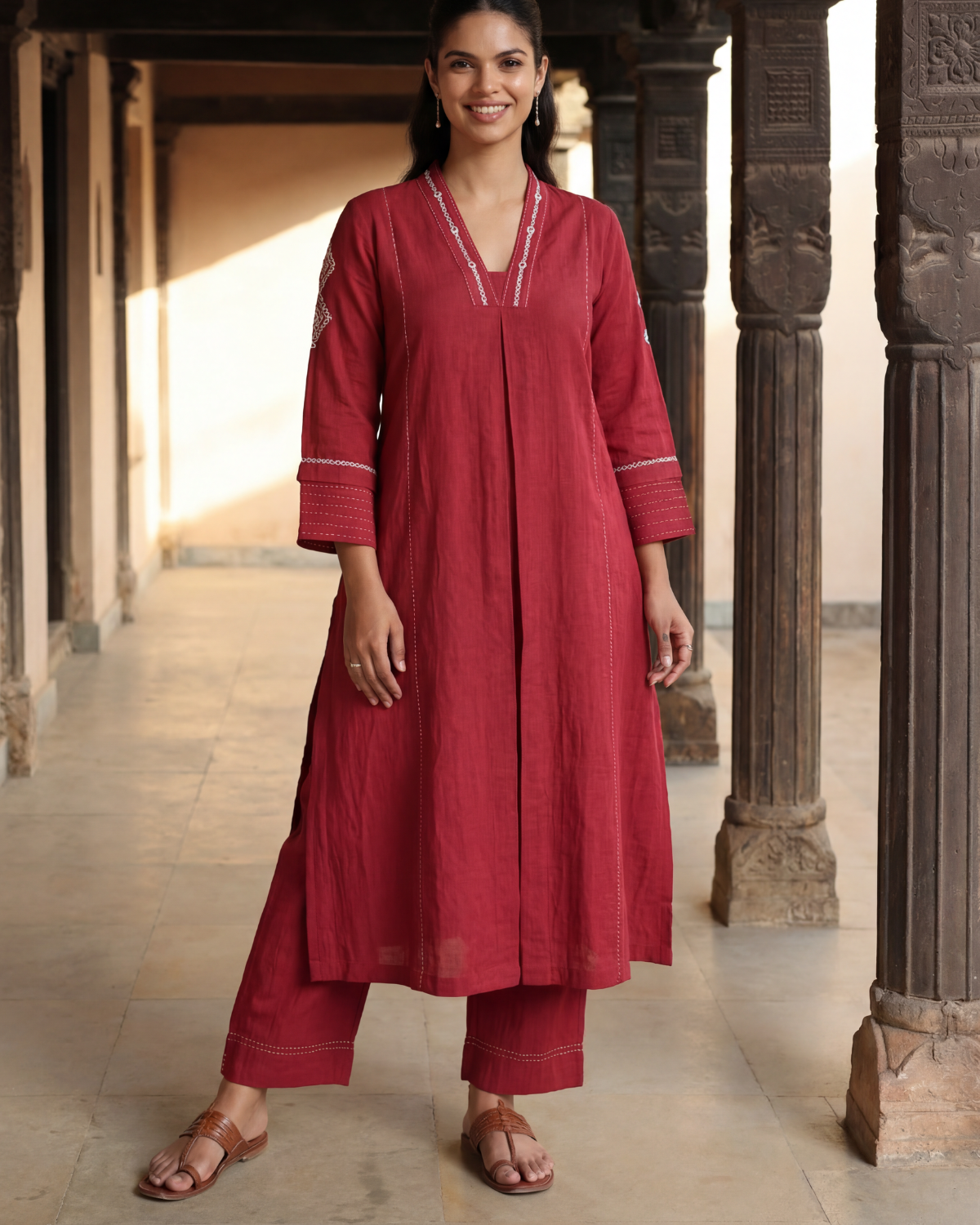
Rather than replacing traditional clothing, modern styling approaches help introduce heritage-inspired garments into everyday wardrobes.
Choosing Fashion That Matters
Increasingly, consumers are paying attention to how their clothing is made and who makes it.
Fashion that matters is not necessarily about buying more or less. It is about making informed choices that value craftsmanship, cultural heritage, and thoughtful design.
Contemporary kurtas embody this philosophy naturally. They support artisan skills, celebrate regional craft traditions, and encourage a deeper appreciation for the people behind the garments.
For many consumers, this added layer of meaning enhances the value of what they wear.
Conclusion
The enduring appeal of the kurta lies in its ability to evolve without losing its connection to tradition.
Rooted in the rich textiles of India, enriched by hand embroidery, and adapted for modern lifestyles, contemporary kurtas continue to offer something uniquely relevant: comfort, versatility, and cultural authenticity.
Whether styled traditionally or as part of an Indo-Western kurta look, these garments remain practical wardrobe staples that honour both craftsmanship and everyday wearability.
As consumers continue seeking fashion that matters, the kurta stands as a reminder that timeless design and heritage craft can comfortably coexist in the modern wardrobe.
FAQs
1. Why are contemporary kurtas considered wardrobe essentials?
Contemporary kurtas combine comfort, versatility, and traditional craftsmanship, making them suitable for work, travel, casual outings, and special occasions.
2. What makes a summer cotton kurta ideal for everyday wear?
Cotton is breathable, lightweight, and comfortable in warm climates, making summer cotton kurtas practical for extended wear throughout the day.
3. What is special about hand embroidery on kurtas?
Hand embroidery adds uniqueness, texture, and cultural significance while showcasing the skill and artistry of traditional artisans.
4. How can I style an Indo-Western kurta?
An Indo-Western kurta can be paired with denim, straight pants, skirts, jackets, or contemporary accessories to create a modern yet culturally rooted look.
5. Why are women's kurtas online becoming increasingly popular?
Consumers appreciate the convenience of online shopping while seeking versatile garments that combine traditional craftsmanship, comfort, and contemporary design.


